Ledger Login: Secure Your Crypto Journey with Confidence
A complete guide to accessing and managing your digital assets safely using Ledger devices and Ledger Live.
🔐 Introduction to Ledger Login
In today’s fast-evolving world of cryptocurrency, security is the cornerstone of success. Whether you’re a seasoned investor or a new crypto enthusiast, protecting your digital assets should be your highest priority. Ledger, one of the most trusted hardware wallet providers in the world, offers a seamless and secure way to store, send, and receive cryptocurrencies. The process of Ledger login—through its Ledger Live application—connects you safely to your crypto holdings, ensuring your private keys remain fully under your control.
Unlike centralized exchanges, Ledger allows users to remain the sole custodian of their private keys, meaning you have full ownership of your crypto. This guide dives deep into every aspect of the Ledger login process, including setup, common issues, and essential safety tips to ensure your crypto journey remains smooth and secure.
⚙️ Understanding Ledger Devices and Ledger Live
Before diving into the Ledger login process, let’s understand how the system works. Ledger combines two core elements: the physical Ledger device (Ledger Nano X, Nano S Plus, etc.) and the Ledger Live software application. Together, these ensure that your assets are stored offline—away from hackers and malware—while allowing you to access your balances in real-time.
- Ledger Hardware Wallet: This is a physical device that stores your private keys offline. It requires physical confirmation for any transaction, offering unmatched protection against remote attacks.
- Ledger Live: A companion app (available on desktop and mobile) that allows users to manage, buy, and swap cryptocurrencies while maintaining full control of their keys.
🪜 Step-by-Step: How to Log In to Ledger Live
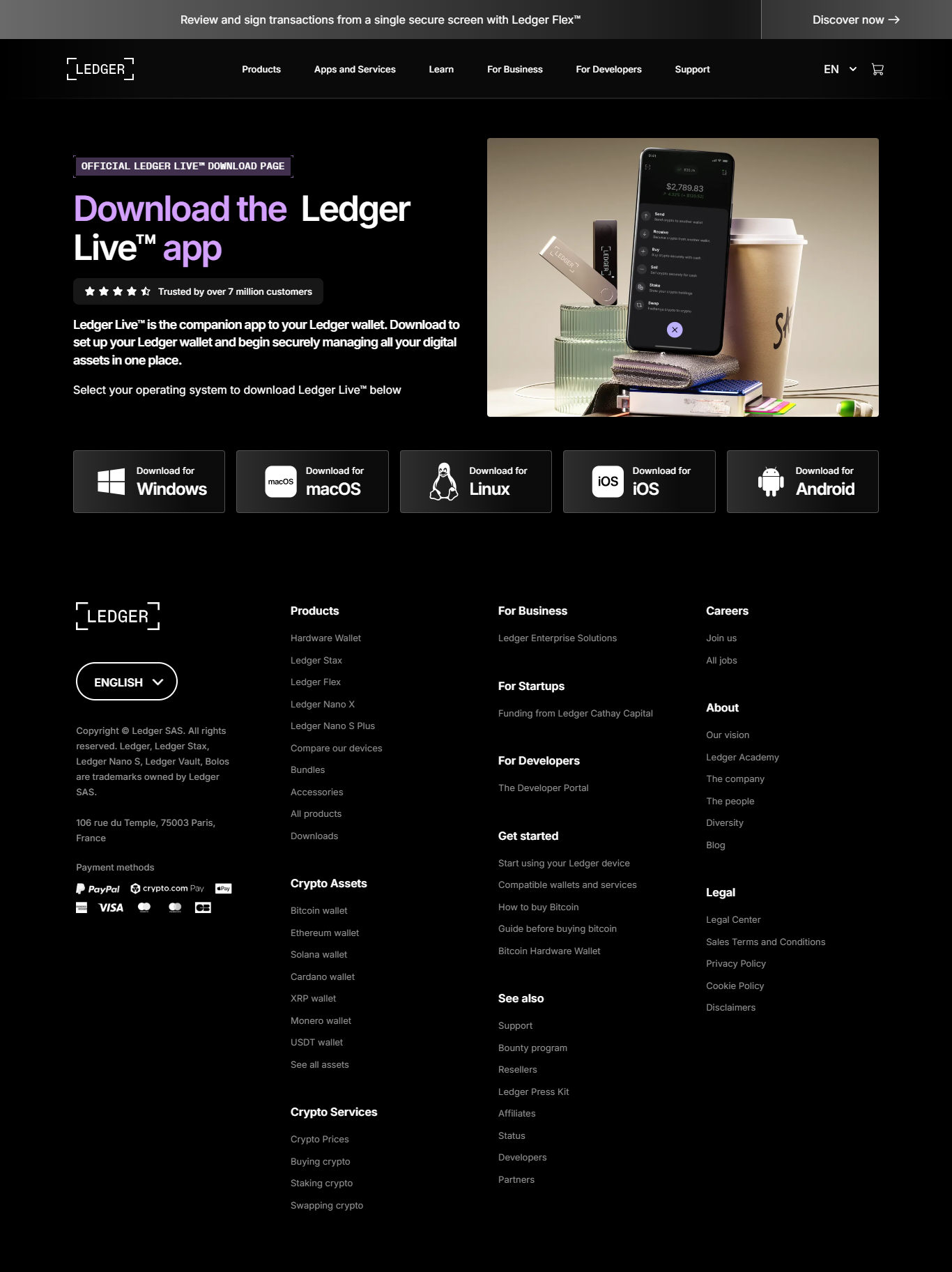
Step 1: Download Ledger Live from the official Ledger website. Ensure you always download from legitimate sources to avoid phishing attempts.
Step 2: Install Ledger Live on your computer or mobile device. Follow the on-screen setup instructions.
Step 3: Connect your Ledger hardware wallet using the USB cable or Bluetooth (for Ledger Nano X).
Step 4: Open Ledger Live, and select “Get Started.” Choose whether you’re setting up a new device or restoring from an existing recovery phrase.
Step 5: Enter your PIN on your Ledger device when prompted. This physical confirmation is a key security step.
Step 6: Once connected, Ledger Live will automatically recognize your wallet and display your portfolio dashboard. This marks your successful Ledger login.
💡 Pro Tips for a Safe Ledger Login
Security isn’t a one-time action—it’s a mindset. Here are essential practices to ensure your Ledger login remains safe every time you access your crypto:
- ✅ Always verify that you’re on the official Ledger app before entering any sensitive information.
- ✅ Never share your 24-word recovery phrase. Ledger will never ask for it online or via email.
- ✅ Use a strong PIN and enable additional device passphrases if available.
- ✅ Regularly update Ledger Live and your device’s firmware to benefit from the latest security enhancements.
- ✅ Be cautious of “Ledger login” phishing sites or fake browser extensions.
🌍 Why Ledger Login Is Safer Than Exchange Wallets
Many new investors keep their crypto assets on exchanges for convenience. However, this practice can be risky. Exchange wallets are custodial, meaning your crypto is technically owned by the exchange until you withdraw it. In contrast, a Ledger login through Ledger Live connects you directly to your private keys, ensuring true ownership.
Moreover, hardware wallets like Ledger protect your assets even if your computer is compromised. Transactions must be verified on the device itself, preventing unauthorized transfers.
📊 Comparison Table: Ledger vs Exchange Wallets
| Feature | Ledger Login (Ledger Live) | Exchange Wallets |
|---|---|---|
| Private Key Ownership | User-controlled | Exchange-controlled |
| Security Level | High (hardware-based) | Moderate (online storage) |
| Accessibility | Via Ledger Live app | Web/mobile |
| Offline Protection | Yes | No |
🙋 Frequently Asked Questions (FAQs)
Q1: Do I need the internet to log in to Ledger Live?
Yes, an internet connection is required for Ledger Live to fetch real-time blockchain data, but your private keys remain offline on your device.
Q2: What happens if I lose my Ledger device?
You can restore your wallet using your 24-word recovery phrase on a new Ledger device. This makes your assets fully recoverable.
Q3: Can someone hack my Ledger login?
It’s virtually impossible as long as you never share your recovery phrase and only use official Ledger software.
Q4: How often should I update Ledger Live?
Ledger releases updates regularly for enhanced security. Updating at least once a month is recommended.📘 Story of a Safer Investor
Consider Nina, a crypto enthusiast who lost her assets once to a phishing scam on an exchange. After switching to Ledger, she discovered the power of decentralized ownership. With every Ledger login, she now verifies her transactions physically, ensuring no unauthorized access. This transformation highlights why Ledger has become synonymous with digital safety and independence in the crypto world.
🔒 Final Thoughts on Ledger Login
The Ledger login process represents more than just accessing your crypto—it’s about reclaiming control, security, and freedom in the digital age. By using Ledger Live and your hardware wallet, you stay ahead of threats while keeping your investments safe. In a landscape filled with cyber risks, Ledger stands as a fortress of trust for millions of users worldwide.
Your crypto deserves protection. Let Ledger be your vault of confidence.